Smart City
What's a smart city?
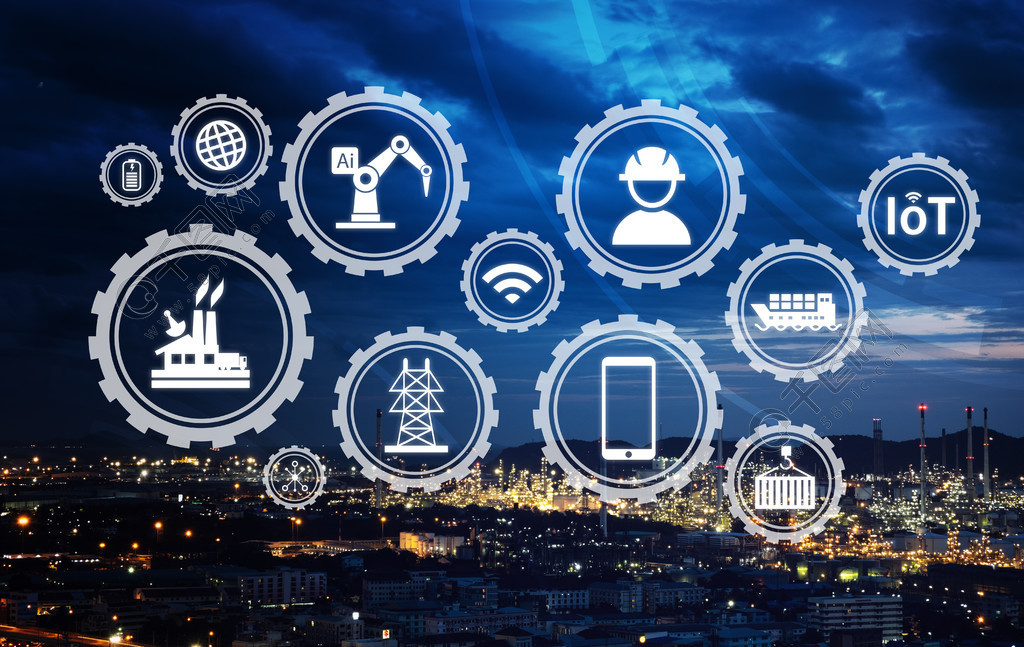
The term "Smart City" was originally used in the media sector and pertains to the employment of intelligent computing technologies like the Internet of Things, cloud computing, big data, and integrated spatial geographic information in myriad areas surrounding urban planning, design, construction, management, and operation. The end goal of this integration is to render cities more interconnected, efficient, and intelligent - with critical infrastructure components and services such as city management, education, healthcare, real estate, transportation, utilities, and public safety becoming more streamlined and effective. The outcome is an increased ability to provide citizens with superior quality life and work services, create more welcoming conditions for business development, and provide government agencies with improved operational and management mechanisms. Essentially, Smart City necessitates the use of various information technologies and novel concepts to bring a city's constituent systems and services together to make better use of resources, optimize urban management and services, and enhance the quality of life for its citizens.
Aspects of smart city
The construction of smart cities is a hot topic in the fields of information technology and urban planning. Below, I will explain five aspects of smart cities:
The growth potential and direction of smart cities are unequivocally optimistic. Driven by technological advancements and societal needs, Olycom Technology is resolute in forging a smarter metropolis that is efficient, user-friendly, eco-friendly, and inclusive - a vision already taking shape. Nevertheless, realizing this vision demands a collective effort from all of us to confront challenges and overcome obstacles with an open, collaborative, and inventive mindset. Together, let's work towards an elevated future of smart cities.
What is Quality of Service (QoS) in networking?
The application of POE in the Internet of Things
Related Article