What challenges will industrial Ethernet switches face in the future?
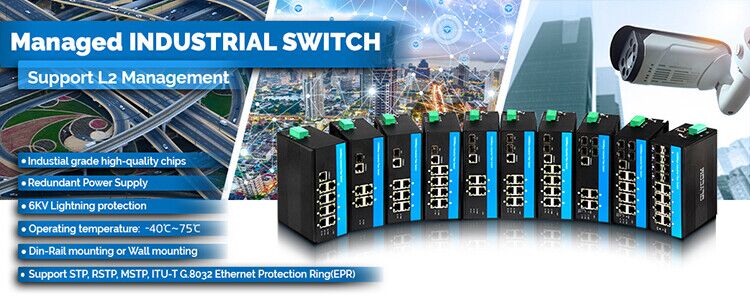
Interference sources can potentially disrupt communication signals and lead to a variety of issues like interruptions or instability, data transmission errors, and even equipment failures or damage. To address these problems, it's necessary to implement several key technologies and measures, including EMI suppression technology, shielding design, ground wire design, and electromagnetic compatibility testing.
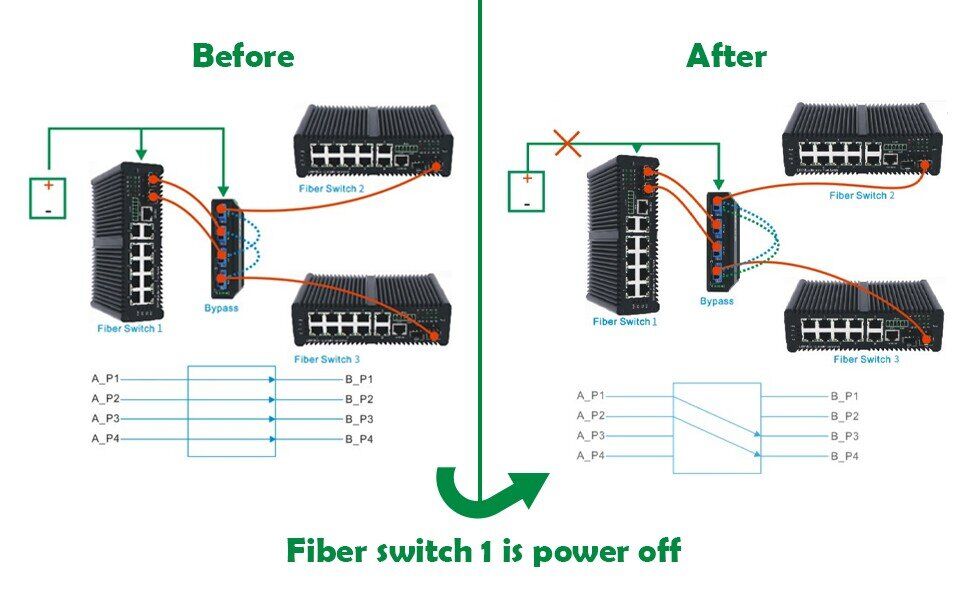
Need for network redundancy and immediate recovery: In industrial networks, multiple industrial Ethernet or serial-to-Ethernet network connections are complex, so the reliability of the communication network becomes extremely important. Enhancing the reliability of the communication network requires the use of industrial network switches equipped with high redundancy and immediate recovery capabilities. This prevents unnecessary downtime and ensures uninterrupted data flows. Given the demands of high-capacity networks, the need for network switches with advanced redundancy and prompt recovery capabilities is indispensable in securing network reliability.
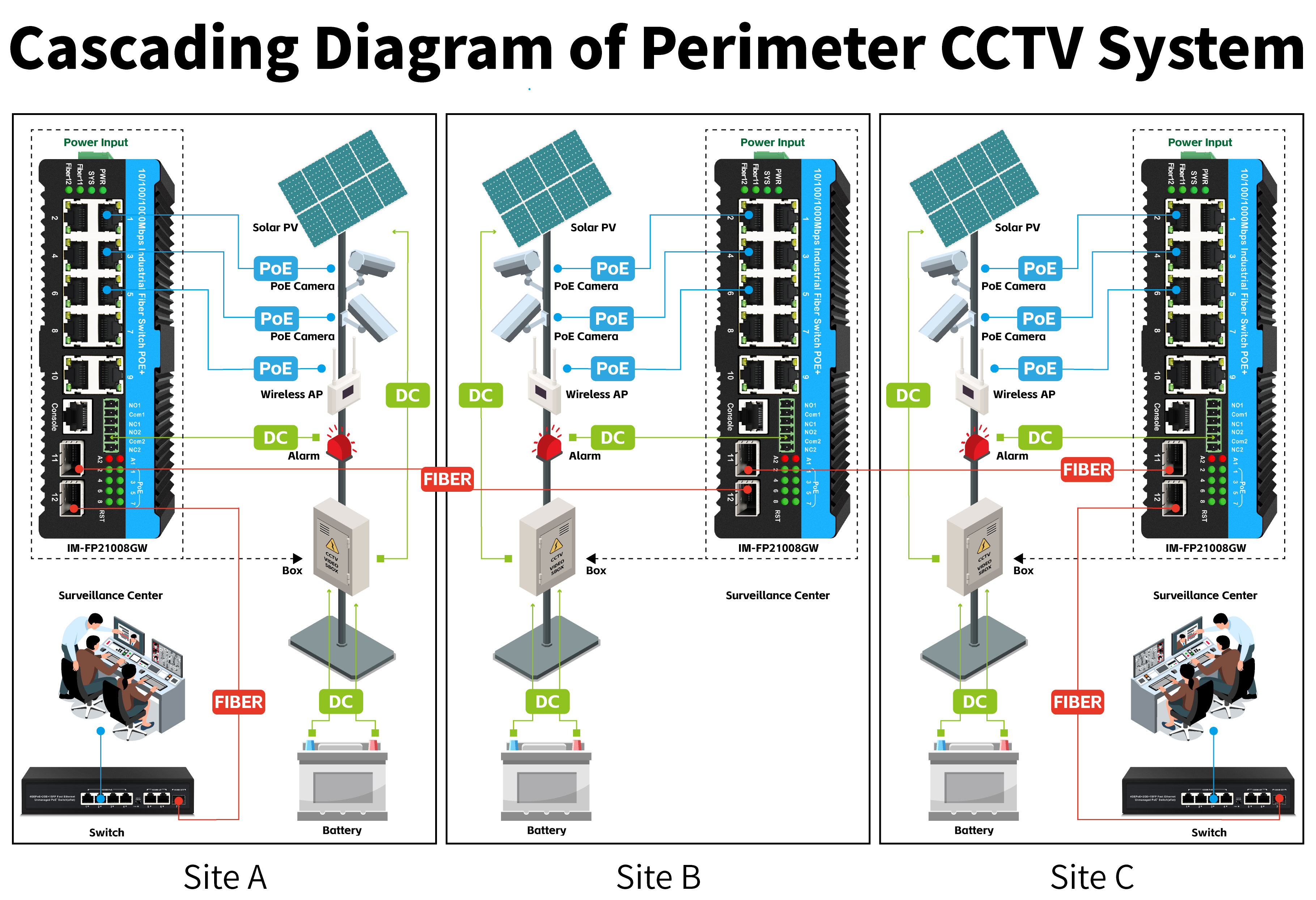
Managing Large and Multi-Layer Ethernet Networks: With growing transmission requirements, Ethernet networks are becoming increasingly complex. Large-capacity networks are typically built with diverse topologies or hierarchical structures, which consist of core, distribution and access layers. Such networks include core layers, distribution layers, and access layers. For such large-scale Ethernet management, the manageability of Ethernet switches can be challenging. If the switch cannot route, switch, and distribute data in the compatibility of complex design and operation, it can be challenging to manage network activities.
Strict requirements for security: Industrial networks are vulnerable to threats such as unauthorized intrusion and data theft, which makes network security a crucial consideration in building automation networks. In selecting equipment, it is recommended that users opt for industrial network switches with VLAN functions to achieve functional division of the network. By leveraging the VLAN division, devices can be categorized and isolated based on their functions, effectively protecting them from malicious damage or misoperation. Additionally, the 802.1x function on the switch can be utilized by users to authorize devices that require network access, which helps to differentiate legitimate users from illegal ones.
In the future, failure to adhere to security protocols could result in a heightened susceptibility to data breaches within extensive networks. Networks will require the use of firewalls, access control lists (ACLs), data encryption, port user access, and other measures to establish virtual private networks (VPNs). Implementing these functions may be challenging in the future.
The aforementioned challenges necessitate that industrial Ethernet switches take into account additional factors during the design and manufacturing process in order to guarantee their dependable performance and safeguarding in diverse industrial environments.
What are the application scenarios of SFP modules?
What is a video optical transceiver?
Related Article