What is Intelligent Transportation System?
author: Olycom
2023-12-01

Intelligent Traffic System (ITS), also known as Intelligent Transportation System, is the effective integration of advanced scientific technologies such as information technology, computer technology, data communication technology, sensor technology, electronic control technology, automatic control theory, operations research, and artificial intelligence in transportation, service control, and vehicle manufacturing. ITS strengthens the connection between vehicles, roads, and users, forming a comprehensive transportation system that ensures safety, improves efficiency, enhances the environment, and conserves energy.
What is intelligent transportation system?
Smart transportation is a traffic management and service model based on advanced technology and information technology. It aims to improve the efficiency, safety and sustainability of the transportation system. By applying advanced communication, sensing, computing and control technologies, smart transportation systems can achieve real-time traffic monitoring, analysis and dispatching, provide personalized traffic information and services, and optimize the utilization of transportation resources.
The heart of a smart transportation system lies in its ability to collect, process and apply traffic data. By employing an array of sensors, monitoring equipment and vehicle-mounted devices, invaluable real-time insights into traffic flow, road conditions and vehicle location can be garnered. Once this data undergoes careful processing and analysis, it can be harnessed to provide accurate information support to drivers and traffic management professionals. This enables them to avail of traffic control, road condition prediction, recommended navigation and other helpful options.
The application of ITS
Smart transportation systems include various applications such as smart traffic lights, smart parking systems, and smart bus systems. Intelligent traffic lights can automatically adjust signal timing according to traffic flow and road conditions, improving traffic efficiency and reducing congestion. The intelligent parking system can monitor the usage of parking spaces in real time, guide vehicles to quickly find available parking spaces, and reduce the time and fuel consumption of vehicles looking for parking spaces. The intelligent bus system can optimize bus routes and departure intervals through vehicle positioning and passenger demand prediction, and improve bus service quality and passenger satisfaction. Managed switches can be used in this regard.
The application of smart transportation can also be extended to the field of traffic safety. Through video surveillance and intelligent analysis technology, traffic violations and accidents can be monitored in real time, and measures can be taken for punishment and rescue in a timely manner. At the same time, the smart transportation system can also be linked with the emergency rescue system and traffic police system to improve the efficiency and accuracy of emergency response.
The benefits of ITS
Smart transportation brings many benefits to urban development and residents’ lives.
First, smart transportation can reduce traffic congestion, improve traffic efficiency, and save time and fuel costs.
Secondly, smart transportation can improve traffic safety and reduce traffic accidents and casualties.
Thirdly, smart transportation can provide personalized transportation information and services to facilitate residents' travel and tourism.
Finally, smart transportation can optimize the use of transportation resources, reduce environmental pollution and energy consumption, and achieve sustainable development.
In short, smart transportation is a traffic management and service model based on advanced technology and information technology. It improves the efficiency, safety and sustainability of the transportation system through the application of advanced communication, sensing, computing and control technologies. Smart transportation systems have a wide range of applications, including traffic data collection and processing, intelligent traffic lights, intelligent parking systems, intelligent bus systems, etc. Smart transportation brings many benefits to urban development and residents' lives, including reducing traffic congestion, improving traffic safety, providing personalized traffic information and services, and optimizing the use of transportation resources.
What is a bypass switch?
What is industrial automation?
Related Article
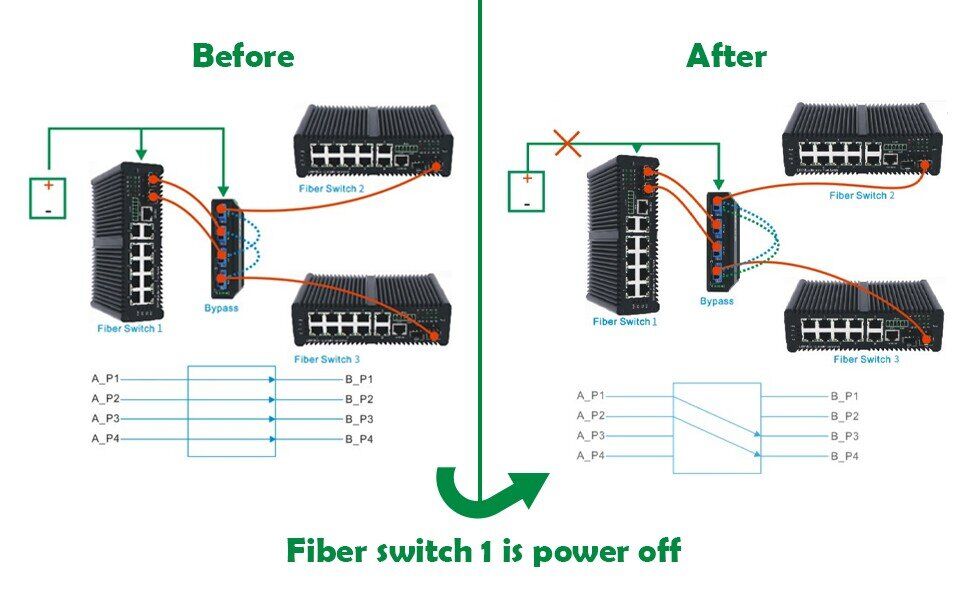
In optical fiber networks, power issues are often a major cause of communication interruptions. This is particularly critical in environments like industrial settings or data centers, where reliability is paramount. A power failure can cause the entire fiber link to go down, disrupting the overall operation of the system. To address this challenge, Olycom's fiber bypass switches with AC/DC dual power input functionality provide an effective redundancy solution.
Power Failures Causing Fiber Link Interruptions? AC/DC Dual Power Ensures Network Stability
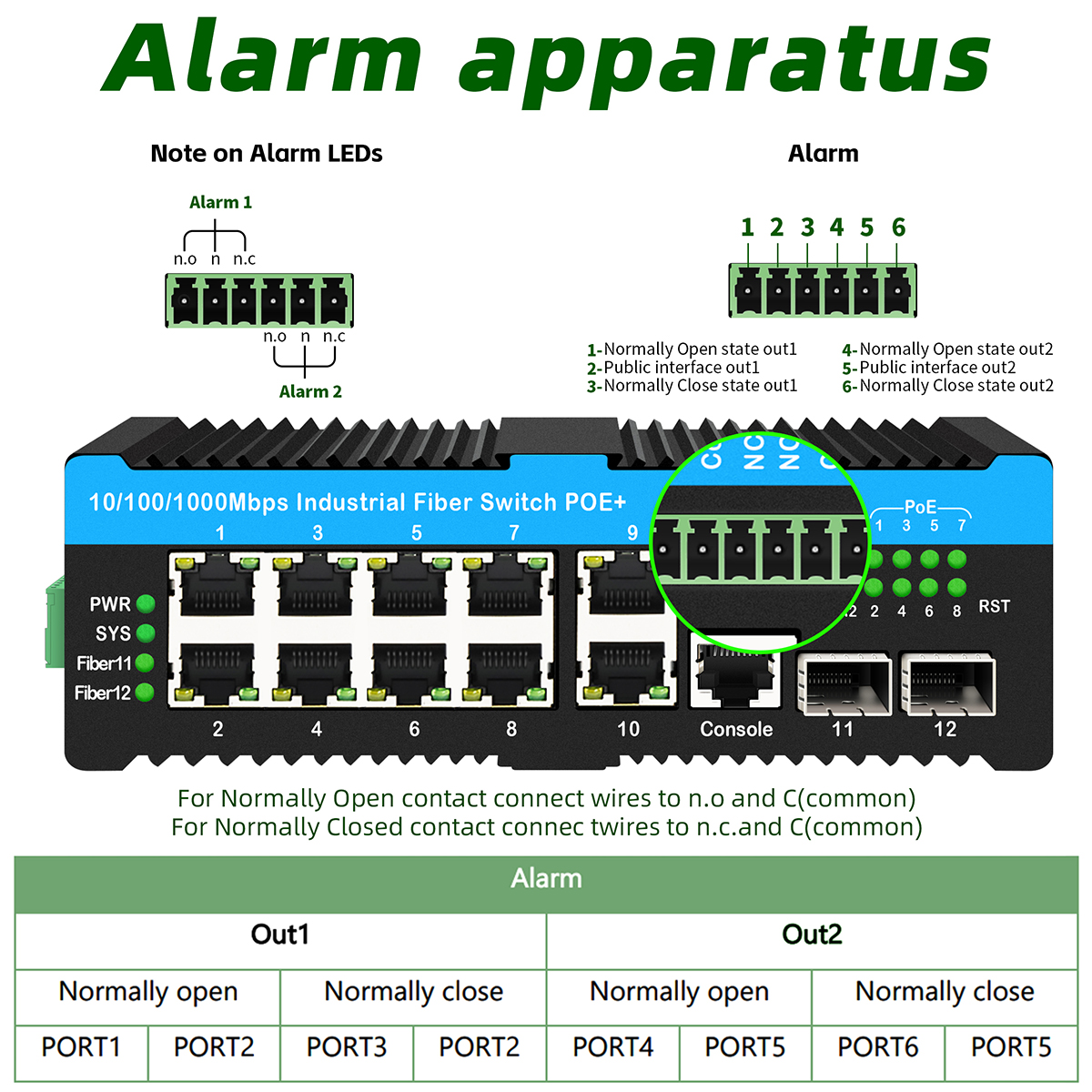
The relay alarm function transforms the switch from a network device into a control node
Industrial PoE Switch with Relay Alarm: Enabling Real-Time Response in Critical Networks
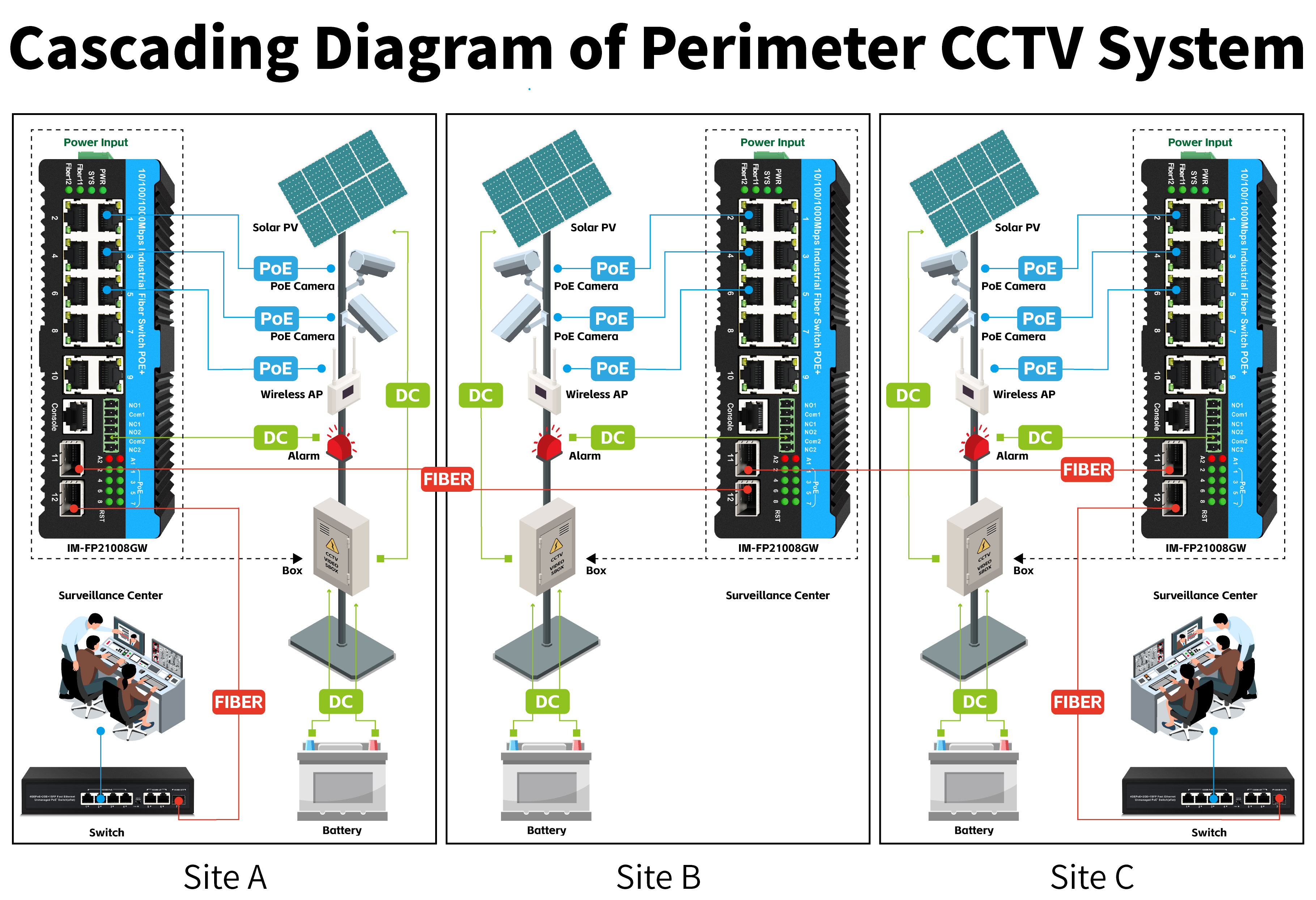
90W High Power Output: All 8 copper ports on the Olycom IM-FP21008GW comply with IEEE 802.3bt, delivering up to 90W per port.
Overcoming PTZ Power Deficiencies: Implementing 90W IEEE 802.3bt in Petrochemical Facilities
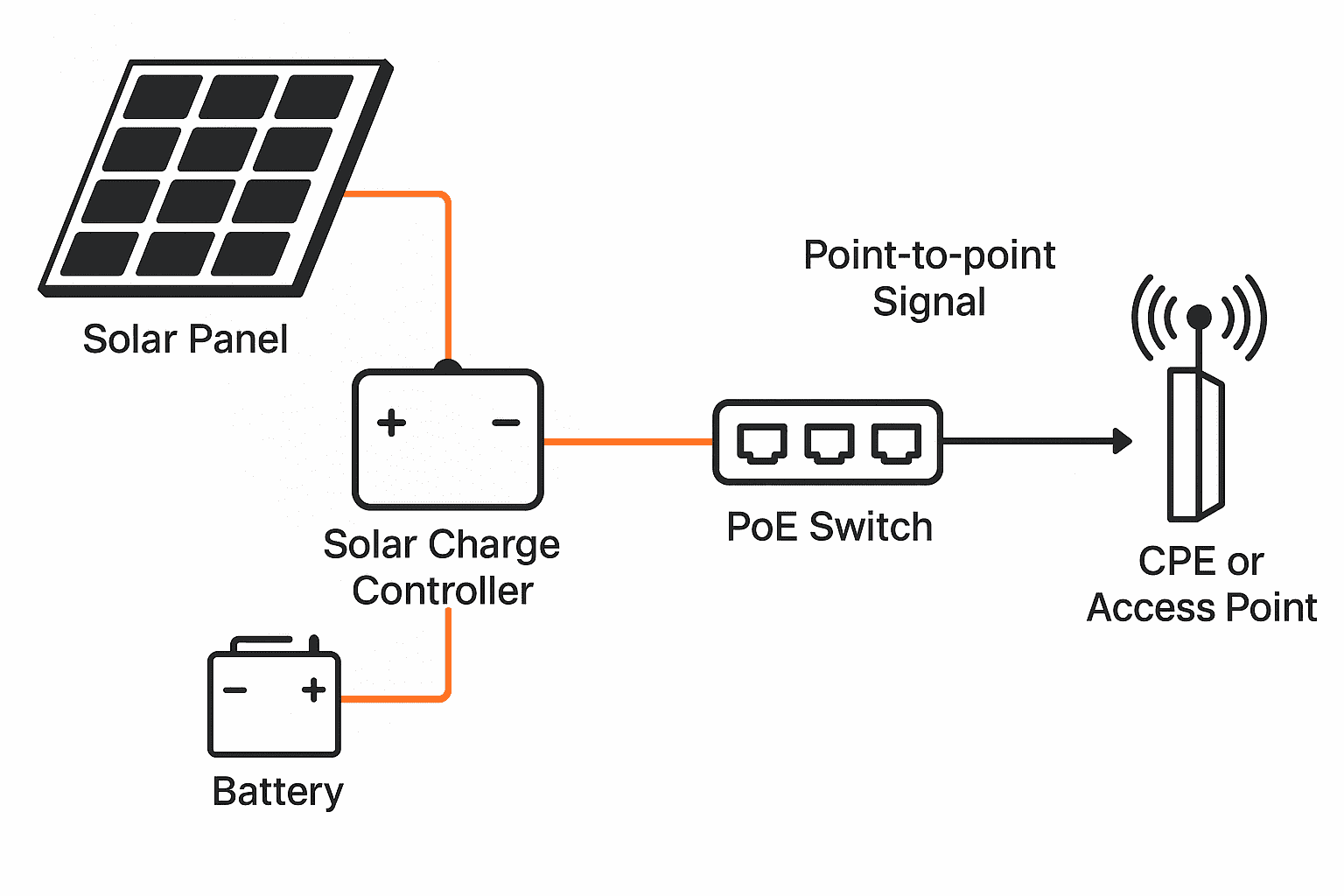
The Olycom IM-WP054BGE is a 5-port industrial gigabit PoE switch built specifically for solar-powered, off-grid, low-voltage, and harsh-environment networking. Its biggest advantage is the built-in DC voltage booster that unlocks PoE deployment where standard switches cannot function, paired with Web managed capabilities for professional remote control. This combination makes it the most practical solution for real-world off-grid and industrial projects.
How the Olycom IM-WP054BGE Solar PoE Switch Works?