
What is the backplane bandwidth of an industrial switch?
author: Olycom
2024-08-09
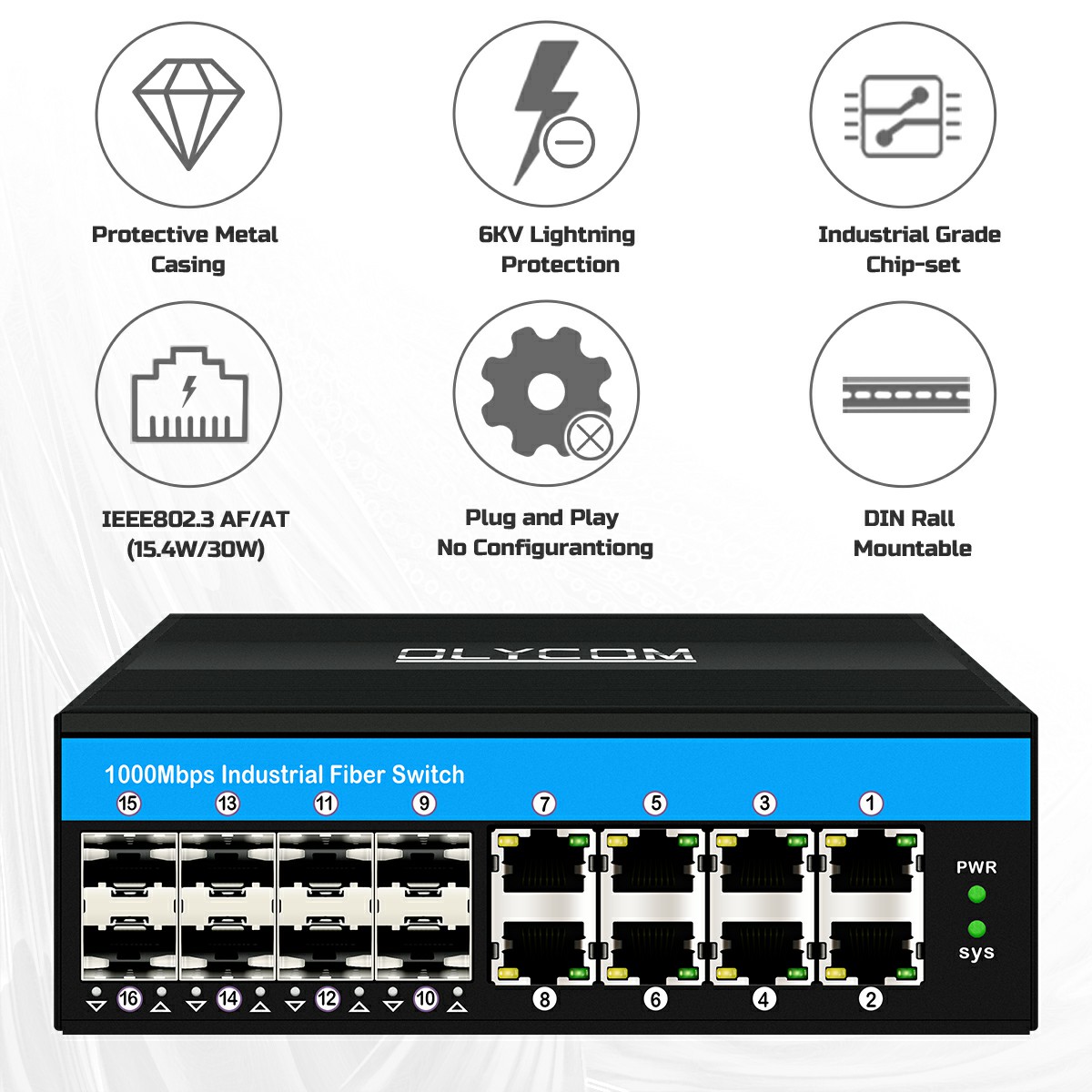
Industrial switches play a critical role in the world of industrial automation, serving as the primary devices used to control and manage data traffic within industrial networks. When designing and maintaining industrial networks, it is crucial to understand and optimize the performance of industrial switches. Among them, backplane bandwidth is an important performance parameter.
What is the Backplane Bandwidth of an Industrial Switch?
Backplane bandwidth is a crucial parameter that measures the data transmission capacity within a switch. Essentially, the backplane acts as the core physical connection between circuit boards within the switch, facilitating the transmission of data between ports. Backplane bandwidth is usually expressed in gigabits per second (Gbps), which determines the amount of data that the switch can handle simultaneously and the speed of data transmission between ports, directly affecting the operation and stability of the entire industrial network.
Backplane bandwidth, also known as switching capacity, is the maximum amount of data that can be handled between the switch interface processor or interface card and the data bus, just like the total number of lanes on an overpass. Since all communications between ports need to be completed through the backplane, the bandwidth that the backplane can provide becomes the bottleneck for concurrent communication between ports.
The larger the bandwidth, the greater the available bandwidth provided to each port, and the faster the data exchange speed; the smaller the bandwidth, the smaller the available bandwidth provided to each port, and the slower the data exchange speed. In other words, the backplane bandwidth highlights the importance of backplane bandwidth in determining the data processing capability of a switch. A higher backplane bandwidth results in a stronger ability to process data.
The Importance of Backplane Bandwidth
Efficient backplane bandwidth is crucial for industrial switches to maintain stable and fast data transmission even under complex industrial environments and emergencies. By improving the production efficiency, it also significantly reduces the risk of potential network failures. For businesses, industrial switches with high backplane bandwidth are an essential tool for enhancing production efficiency and ensuring system security. The significance of industrial switch backplane bandwidth is evident in the following areas:
Data Throughput: The backplane bandwidth is a key factor in determining the amount of data that a switch can process simultaneously. In industrial settings, it is often necessary to process multiple streams of data including sensor data, control signals, and surveillance videos. A lack of sufficient backplane bandwidth can result in data congestion leading to data loss and increased latency, ultimately impacting network performance.
Response time is critical in industrial automation systems, which require high levels of real-time performance for both control and data acquisition. If the backplane bandwidth is insufficient, the transmission of commands and data may be delayed, resulting in a slower system response time. This could negatively affect the safety and efficiency of the production process in certain contexts.
When it comes to industrial networks, reliability is absolutely crucial. In the event of insufficient backplane bandwidth, network congestion and packet loss can occur, seriously impacting system availability. In certain industrial settings, network failures can quickly translate into production line shutdowns, leading to significant production losses.
In general, the backplane bandwidth of industrial switches is not only a key indicator to measure its performance, but also the cornerstone to ensure the efficient operation of industrial networks. As Industry 4.0 and smart manufacturing keep advancing, the backplane bandwidth of industrial switches is expected to grow continuously, providing robust support and guaranteeing the realization of smarter, more efficient, and more reliable industrial systems.
90W Industrial Managed POE Switch
The importance of industrial-grade chips
Related Article
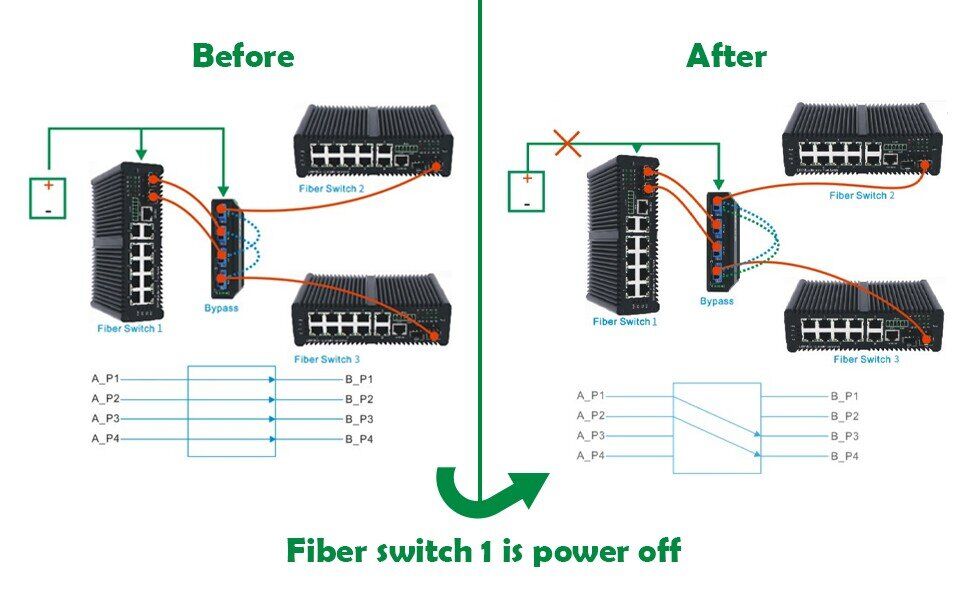
In optical fiber networks, power issues are often a major cause of communication interruptions. This is particularly critical in environments like industrial settings or data centers, where reliability is paramount. A power failure can cause the entire fiber link to go down, disrupting the overall operation of the system. To address this challenge, Olycom's fiber bypass switches with AC/DC dual power input functionality provide an effective redundancy solution.
Power Failures Causing Fiber Link Interruptions? AC/DC Dual Power Ensures Network Stability
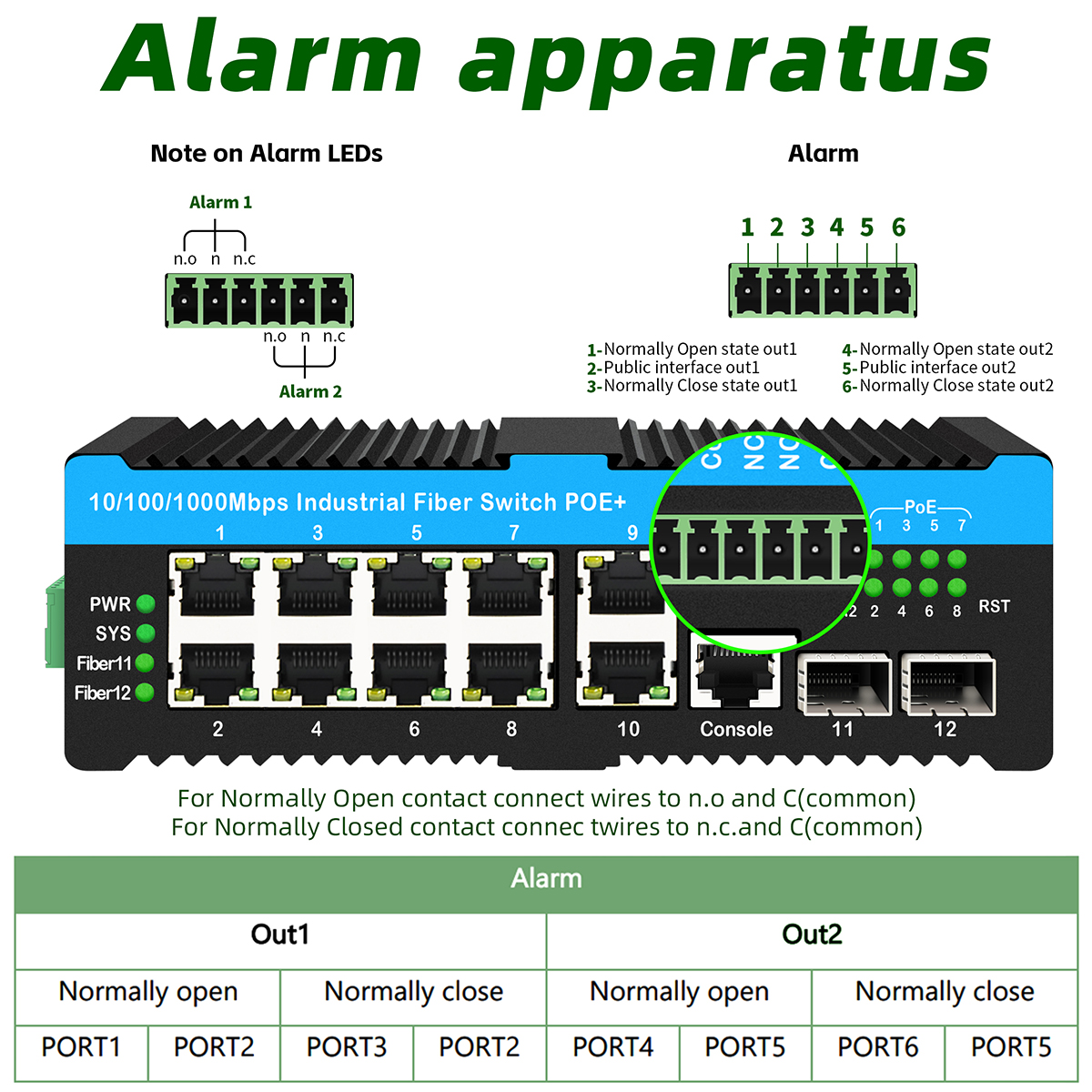
The relay alarm function transforms the switch from a network device into a control node
Industrial PoE Switch with Relay Alarm: Enabling Real-Time Response in Critical Networks
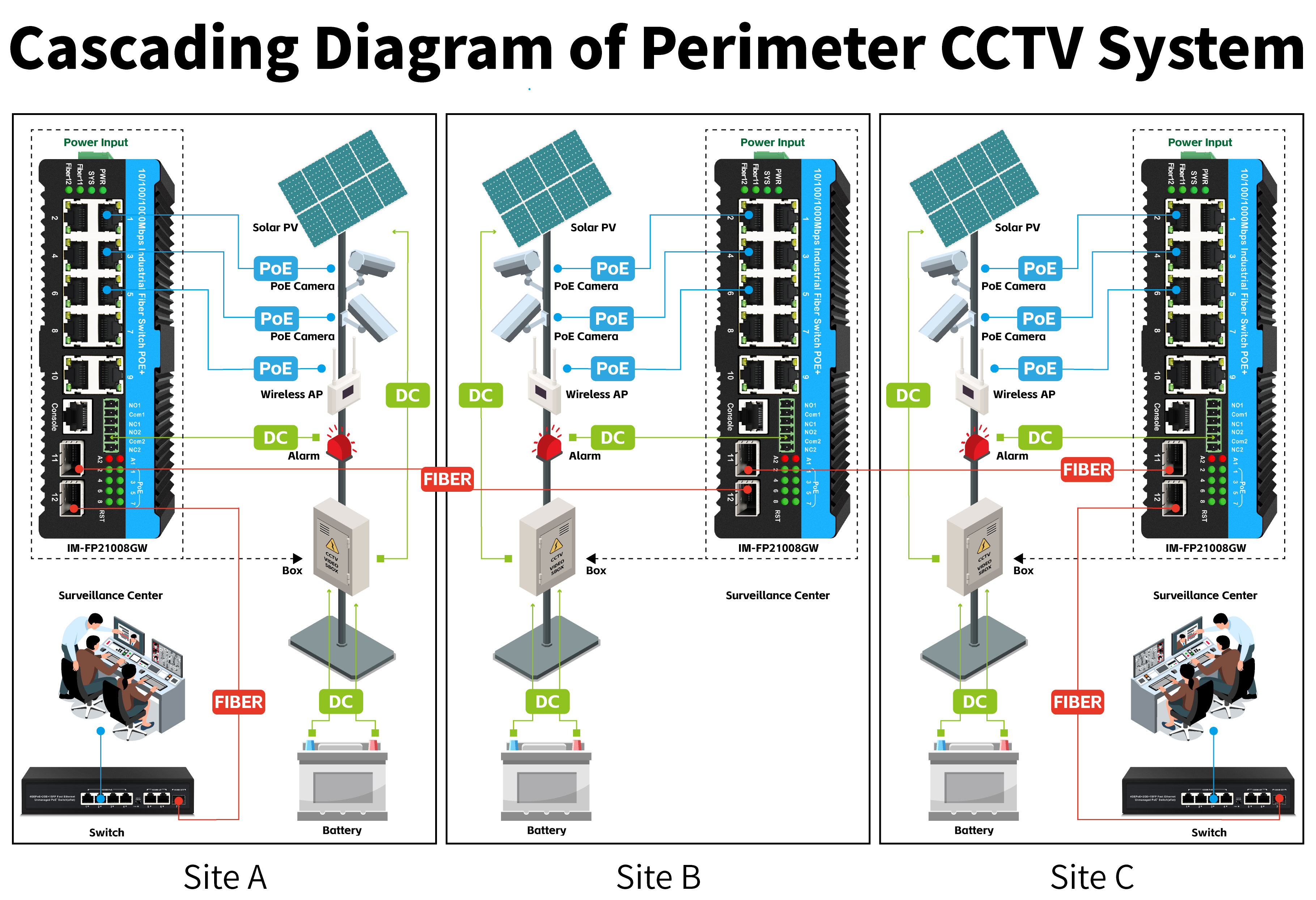
90W High Power Output: All 8 copper ports on the Olycom IM-FP21008GW comply with IEEE 802.3bt, delivering up to 90W per port.
Overcoming PTZ Power Deficiencies: Implementing 90W IEEE 802.3bt in Petrochemical Facilities
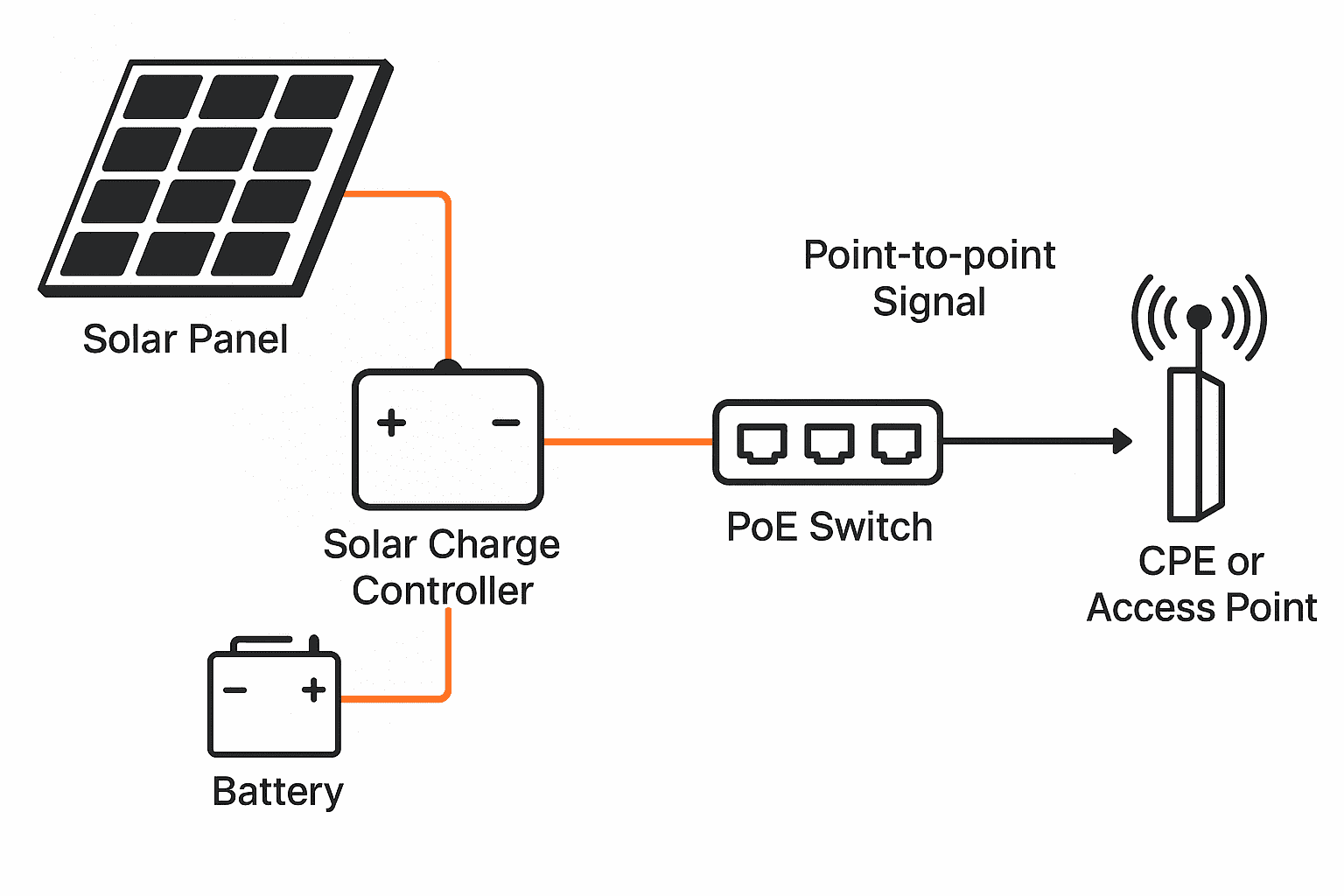
The Olycom IM-WP054BGE is a 5-port industrial gigabit PoE switch built specifically for solar-powered, off-grid, low-voltage, and harsh-environment networking. Its biggest advantage is the built-in DC voltage booster that unlocks PoE deployment where standard switches cannot function, paired with Web managed capabilities for professional remote control. This combination makes it the most practical solution for real-world off-grid and industrial projects.
How the Olycom IM-WP054BGE Solar PoE Switch Works?