
What is PLC I/O Module?
author: Olycom
2024-06-28
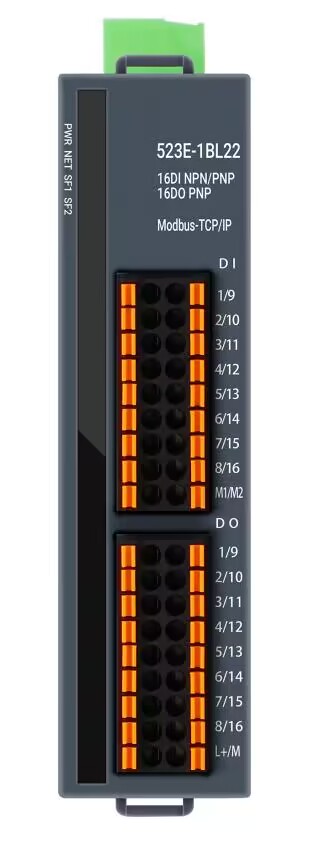
With the continuous development of industrial automation, more and more technology has begun to be widely used, of which IO modules are one of them. The IO module is an input and output module of a programmable logic controller (PLC), which can realize the signal acquisition, data transmission and control of the industrial automation system. With its widespread use in the control of various production equipment and systems, the IO module is a crucial component that significantly enhances production efficiency, reduces production costs, improves product quality, and extends the service life of equipment.
Overview of the IO module
The IO module is an input and output module of a programmable logic controller (PLC), which can realize the signal acquisition, data transmission and control of the industrial automation system. The IO module plays a crucial role in the real-time monitoring and data transmission of equipment through on-site data collection and signal control, including production equipment and sensors. Consequently, it enables efficient control and management of the complete production process.
The IO module is an input and output module of a programmable logic controller (PLC), which can realize the signal acquisition, data transmission and control of the industrial automation system. The IO module plays a crucial role in the real-time monitoring and data transmission of equipment through on-site data collection and signal control, including production equipment and sensors. Consequently, it enables efficient control and management of the complete production process.
Classification of IO module
IO modules can be divided into multiple types according to different classification methods. The following are several common classification methods:
1. Signal type: IO module can be divided into analog input module, analog output module, digital quantity input module, digital quantity output module, etc.
2. Environment: IO modules can be divided into industrial environment, food hygiene use, high temperature and high pressure environment.
3. Communication protocol: IO modules can be divided into IO modules of protocols such as Profibus, Modbus, Canopen and other protocols.
1. Data collection
The I/O module of PLC can monitor and perceive the status of the device and environmental changes in real time by collecting the signal of the sensor at the scene. It is the basis for achieving intelligent control. These sensor signals may be an analog signal or a digital signal. The I/O module needs to convert it into an electronic signal that PLC can recognize and processed. In this process, accuracy and real -time nature directly determine the efficiency and security of the control system.
The I/O module of PLC can monitor and perceive the status of the device and environmental changes in real time by collecting the signal of the sensor at the scene. It is the basis for achieving intelligent control. These sensor signals may be an analog signal or a digital signal. The I/O module needs to convert it into an electronic signal that PLC can recognize and processed. In this process, accuracy and real -time nature directly determine the efficiency and security of the control system.
2. Signal conversion
The signal conversion function enables the PLC to handle signals from a variety of sensors, including converting analog signals to digital signals and vice versa. During this conversion process, maintaining the signal quality without being reduced and ensuring that the conversion speed is as fast as possible. The accuracy and efficiency of the signal conversion directly affect the accuracy and response time of system control, which is a key link to improve the performance of automation system.
3. Equipment control
By analyzing and processing input signals, a PLC issues instructions to control external actuators, such as motors and valves, in order to achieve precise control of mechanical equipment. I/O modules are essential in this process, providing the necessary control capabilities and supporting complex logical operations. They must also be able to withstand unfavorable conditions, such as electromagnetic interference, to ensure accurate transmission of control signals.
4. Data output
Data output means that the information after PLC processing is passed to the actuator or other display and record devices through the I/O module. This encompasses not only the control signal output, but also the output of monitoring parameters and diagnostic information for system faults. Effective data output is crucial in ensuring that information is transmitted accurately and in real-time, enabling the system to operate efficiently and with stability.
Data output means that the information after PLC processing is passed to the actuator or other display and record devices through the I/O module. This encompasses not only the control signal output, but also the output of monitoring parameters and diagnostic information for system faults. Effective data output is crucial in ensuring that information is transmitted accurately and in real-time, enabling the system to operate efficiently and with stability.
In summary, the I/O module of a PLC (Programmable Logic Controller) plays a crucial role in automation control systems. Professional and efficient I/O modules are necessary for every link, from data collection and signal conversion to device control and data output. It is essential to ensure high performance and reliability of these basic functions for the efficient and stable operation of the entire automation system.
The application of I/O module in industrial automation
What is POE injector?
Related Article
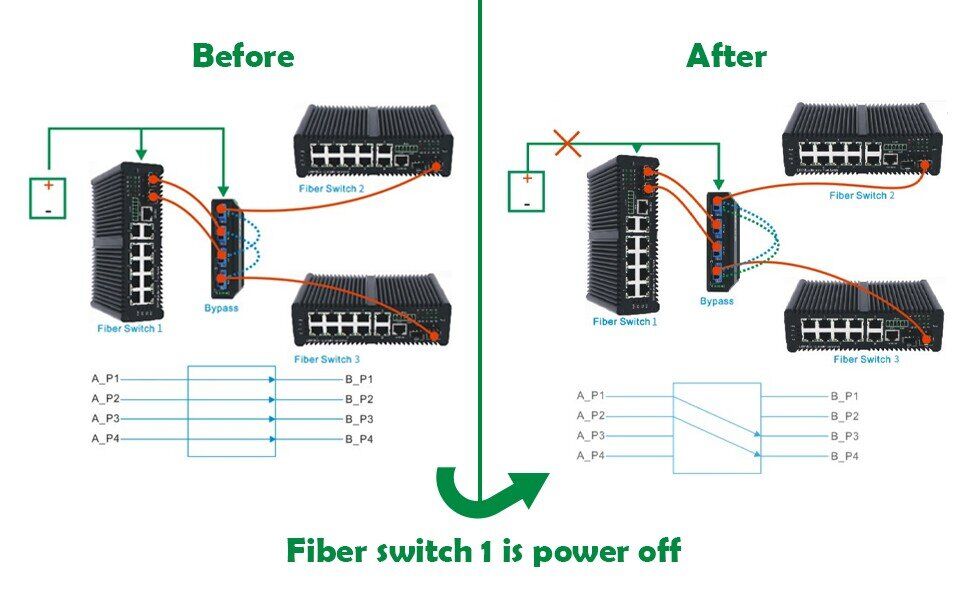
In optical fiber networks, power issues are often a major cause of communication interruptions. This is particularly critical in environments like industrial settings or data centers, where reliability is paramount. A power failure can cause the entire fiber link to go down, disrupting the overall operation of the system. To address this challenge, Olycom's fiber bypass switches with AC/DC dual power input functionality provide an effective redundancy solution.
Power Failures Causing Fiber Link Interruptions? AC/DC Dual Power Ensures Network Stability
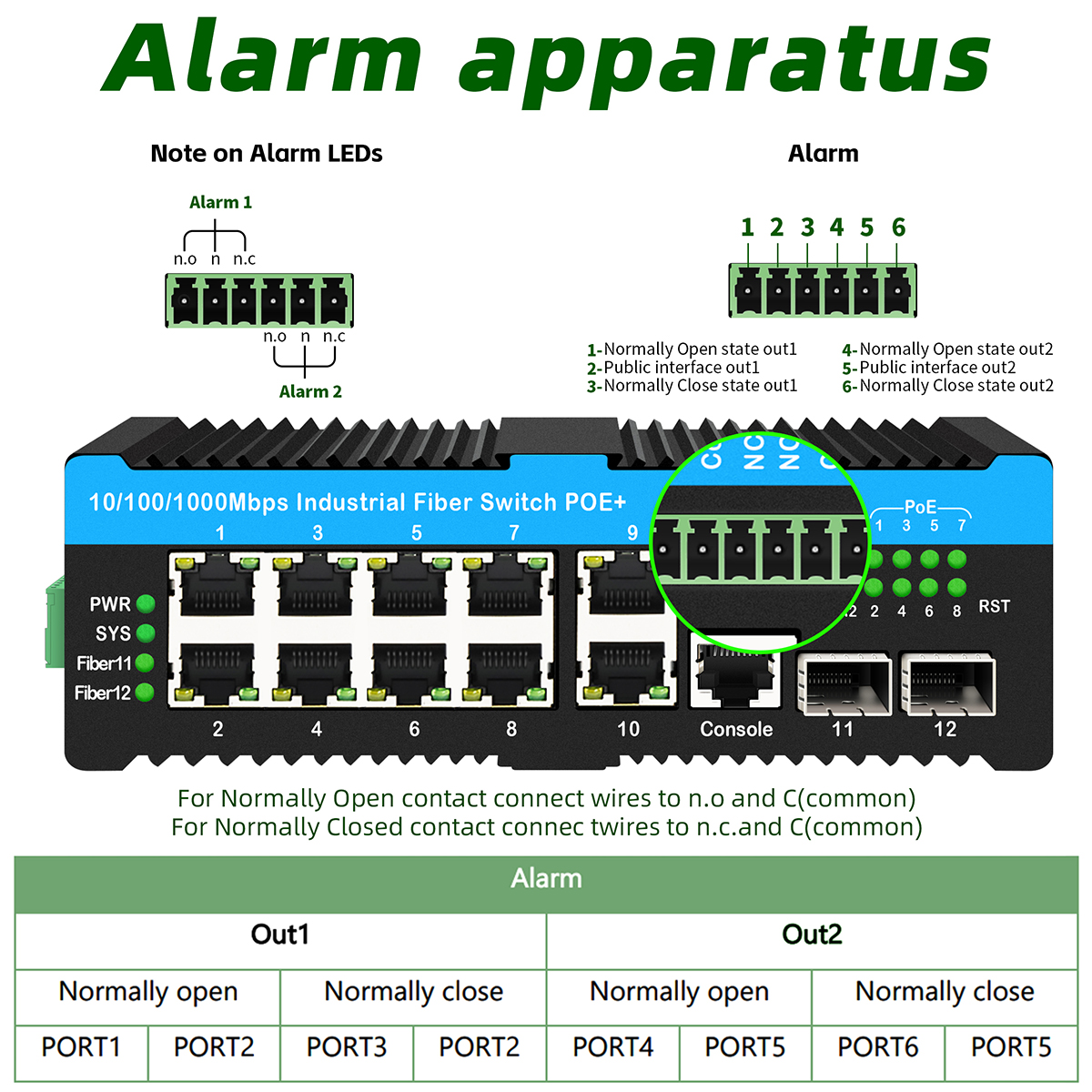
The relay alarm function transforms the switch from a network device into a control node
Industrial PoE Switch with Relay Alarm: Enabling Real-Time Response in Critical Networks
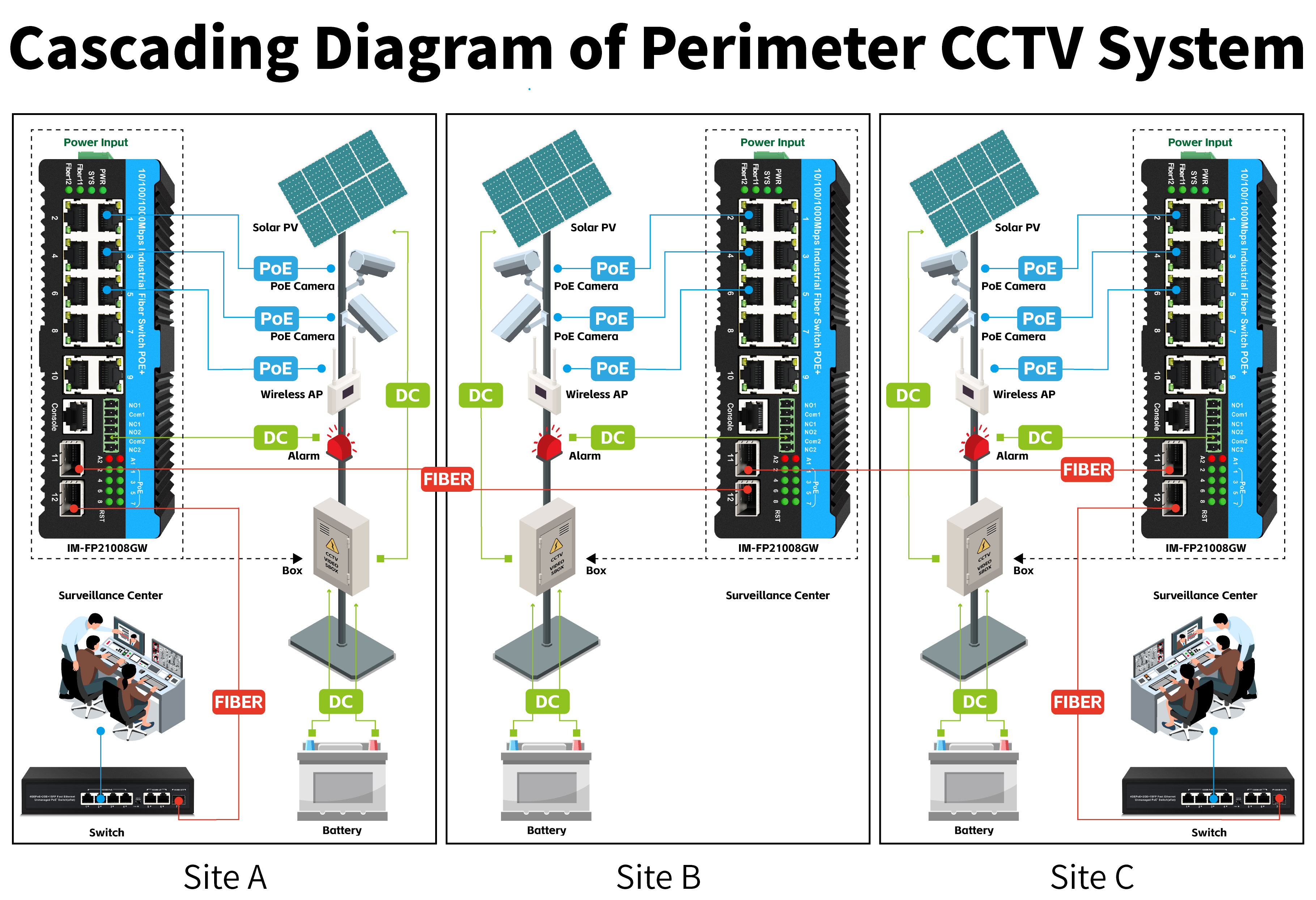
90W High Power Output: All 8 copper ports on the Olycom IM-FP21008GW comply with IEEE 802.3bt, delivering up to 90W per port.
Overcoming PTZ Power Deficiencies: Implementing 90W IEEE 802.3bt in Petrochemical Facilities
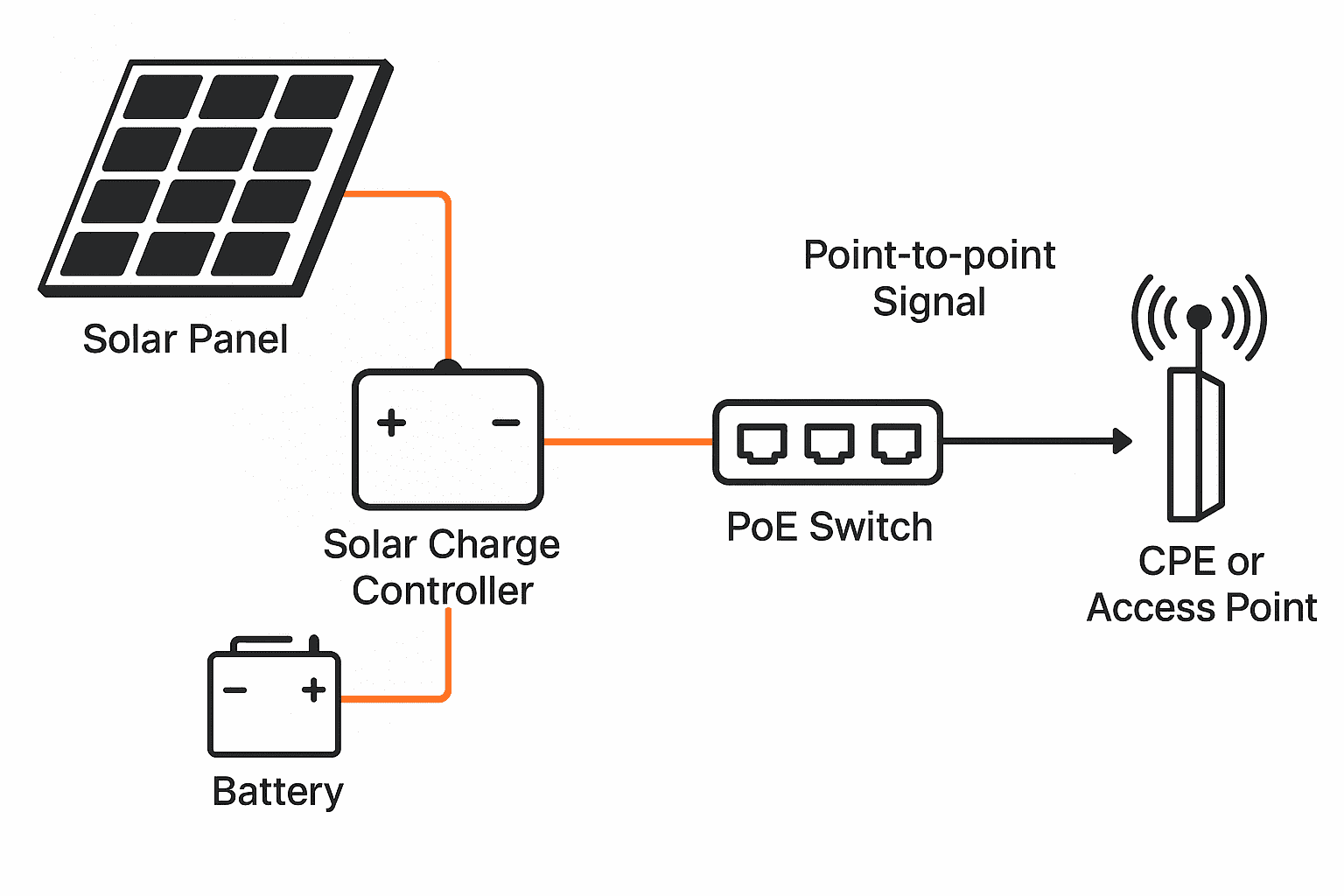
The Olycom IM-WP054BGE is a 5-port industrial gigabit PoE switch built specifically for solar-powered, off-grid, low-voltage, and harsh-environment networking. Its biggest advantage is the built-in DC voltage booster that unlocks PoE deployment where standard switches cannot function, paired with Web managed capabilities for professional remote control. This combination makes it the most practical solution for real-world off-grid and industrial projects.
How the Olycom IM-WP054BGE Solar PoE Switch Works?