HD-SDI to fiber converter
author: Olycom
2024-03-08
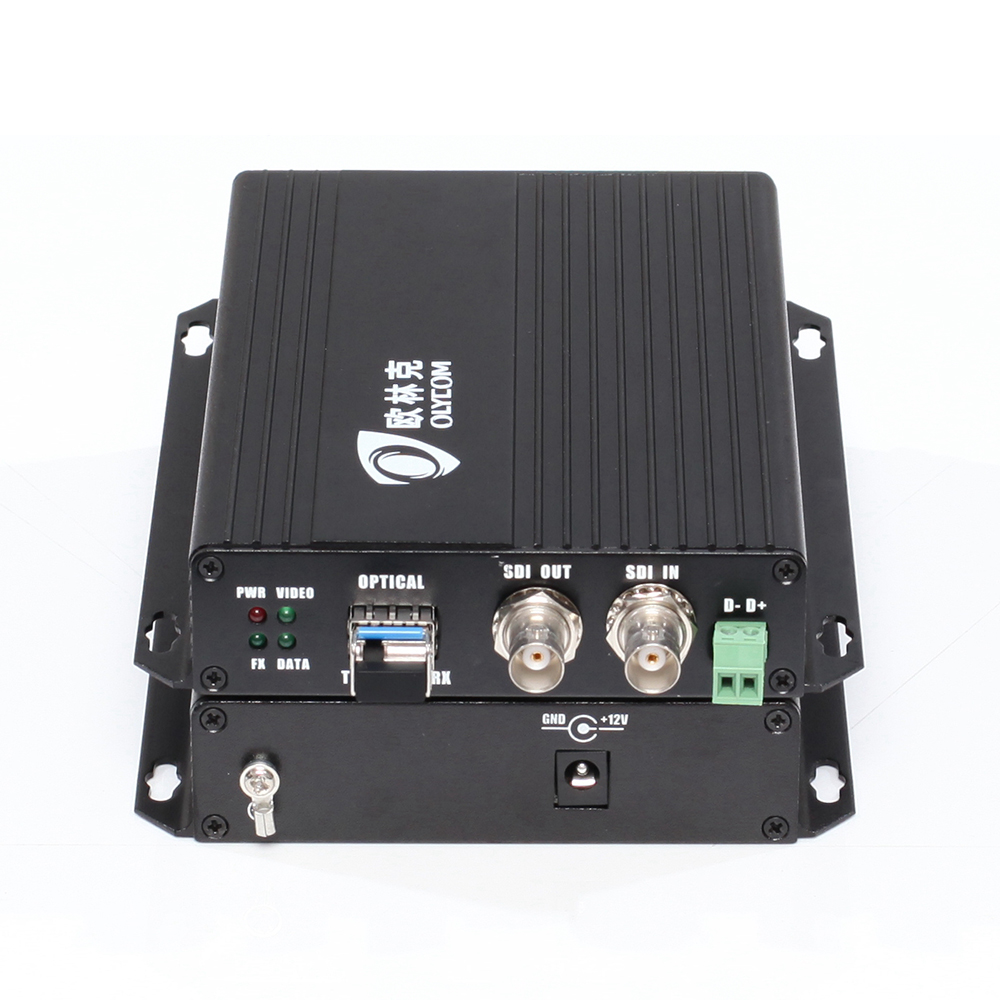
SDI high-definition optical transceiver is a highly reliable and high-performance serial digital optical transmission equipment suitable for the television industry, meeting the relevant standards of industrial grade and radio and television products. The SDI optical transceiver is currently utilized in a variety of applications, including long-distance high-definition digital SDI signal extension projects in public safety, military, meteorology, railways, aviation, and other sectors. So, what is a high-definition SDI optical transceiver?
What is HD-SDI optical transceiver?
The high-definition SDI optical transceiver has evolved from the conventional digital video optical transceiver. It utilizes the H.264 encoding technique and is typically equipped with an SDI interface.
SD/HD/3G-SDI optical transceiver products were initially developed and adopted by the radio and television industry for use in TV studios and Universiade live broadcasts. Subsequently, they were introduced to the field of 1080P high-definition monitoring and are also capable of carrying reverse control data. The transfer rates for these transceivers are 1.485G (also known as 1.5 G, in line with the SMPTE-292M standard, and able to support 720P) and 2.97G (also referred to as 3G, adherent to the SMPTE-424M standard, and capable of supporting FULL HD 1080P). The SDI optical transceiver also features a high-definition SDI dedicated VIDIO SFP optical module which guarantees that the transmission process does not entail any issues such as flickering screen, black screen and other associated anomalies.
The HD SDI optical transceiver uses advanced non-compressed digital high-definition video and high-speed digital optical fiber transmission technology to convert the 1.485Gbps HD-SDI digital signal into an optical signal, which can then be transmitted over the optical fiber for 1-20 kilometers and then restored to an electrical signal. This device is ideal for both SDI video surveillance and long-range video collection, boasting excellent performance, top-notch image quality, and steadfast reliability. Additionally, it comes equipped with LED status indicators, enabling users to easily monitor the operational status of the optical transceiver.
Core performance features
Bandwidth capacity: Supports high-resolution video signal transmission, such as 4K and 8K.
Long-distance transmission capability: Significantly improves signal transmission distance without losing quality.
Signal stability: Optical fiber transmission is not sensitive to external interference, ensuring signal stability.
Application areas
The technology of SDI optical transceivers was initially utilized in professional video broadcasting, however, its application has been widened in the security field over the past few years.
Radio and television industry
SDI optical transceivers play a crucial role in the radio and television industry, specifically in the transmission and processing of high-definition video signals. This is particularly important during the broadcasting of large-scale events as well as in the day-to-day operations of TV stations. Without these transceivers, the seamless delivery of high-quality video content would not be possible, making them an indispensable component of the industry.
With the rapid progress of technology, SDI optical transceivers have become a popular choice for security monitoring applications. They offer superior data transmission speeds and more reliable signal quality when compared to traditional IP network-based high-definition surveillance solutions.
The SDI Surveillance System equipment includes a range of high-quality products, such as HD-SDI cameras, optical transceivers, HDMI converters, and hard disk recorders. The front-end devices use HD-SDI digital cameras to capture high-definition video, which is then transmitted through coaxial cables. The system also uses HD-SDI optical transceivers to ensure the signal is transmitted in optimal conditions to the computer room, where it enters the HD-SDI matrix and is ultimately displayed on a large screen in the management center. Thanks to the uncompressed audio and video signals, the system provides high-quality images with no distortion or delay. Additionally, the HD-SDI optical transceiver allows remote viewing of any channel output image, with simple control options. The audio and video are stored in the encoder, then connected to the network, allowing for remote viewing of images using the internet.
Overall, this solution is ideal for large-scale monitoring networks, providing local and special units with full HD, real-time, and delay-free live images. The system is accessible with ease to remote users, by connecting to the internet.
Conclusion
With the continuous advancement of technology, SDI optical transceivers are becoming increasingly important in the fields of radio and television and security monitoring. It not only solves the problem of long-distance transmission, but also provides higher signal stability. Qualitative and transmission efficiency. In the future, with the continuous development of SD technology, SDI optical transceivers will play an increasingly important role in the fields of radio and television and security monitoring. It not only transmits long-distance high-definition signals. It provides a solution for transmission and also ensures high efficiency and stability during the transmission process. For the radio and television industry and security monitoring systems, the introduction of SDI optical transceivers is undoubtedly a qualitative leap, it makes the processing and transmission of high-quality video content possible, further promoting technological innovation and development in these fields.
How to choose the right PoE switch for your IP Surveillance cameras?
An introduction of HDMI optical tranceiver
Related Article
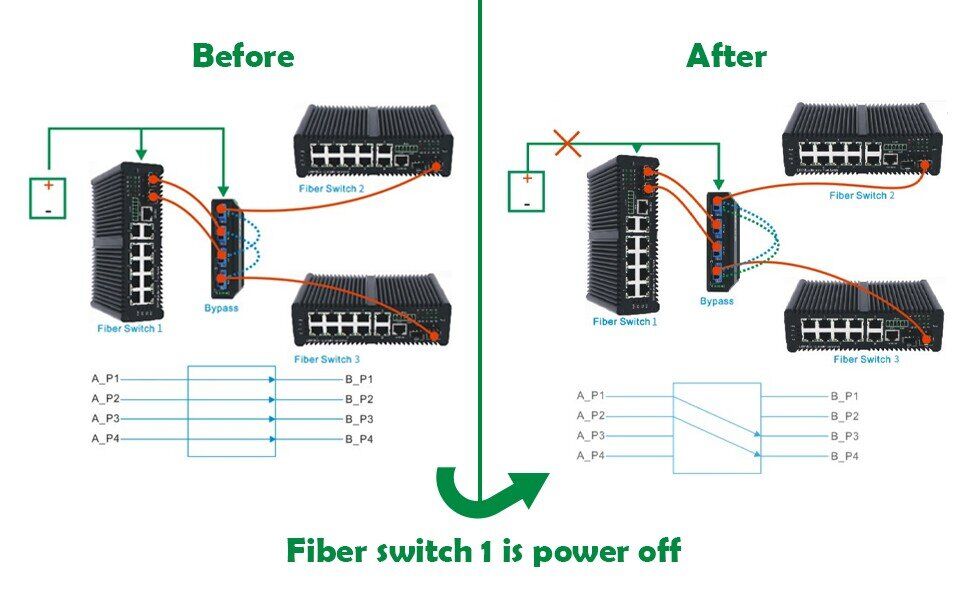
In optical fiber networks, power issues are often a major cause of communication interruptions. This is particularly critical in environments like industrial settings or data centers, where reliability is paramount. A power failure can cause the entire fiber link to go down, disrupting the overall operation of the system. To address this challenge, Olycom's fiber bypass switches with AC/DC dual power input functionality provide an effective redundancy solution.
Power Failures Causing Fiber Link Interruptions? AC/DC Dual Power Ensures Network Stability
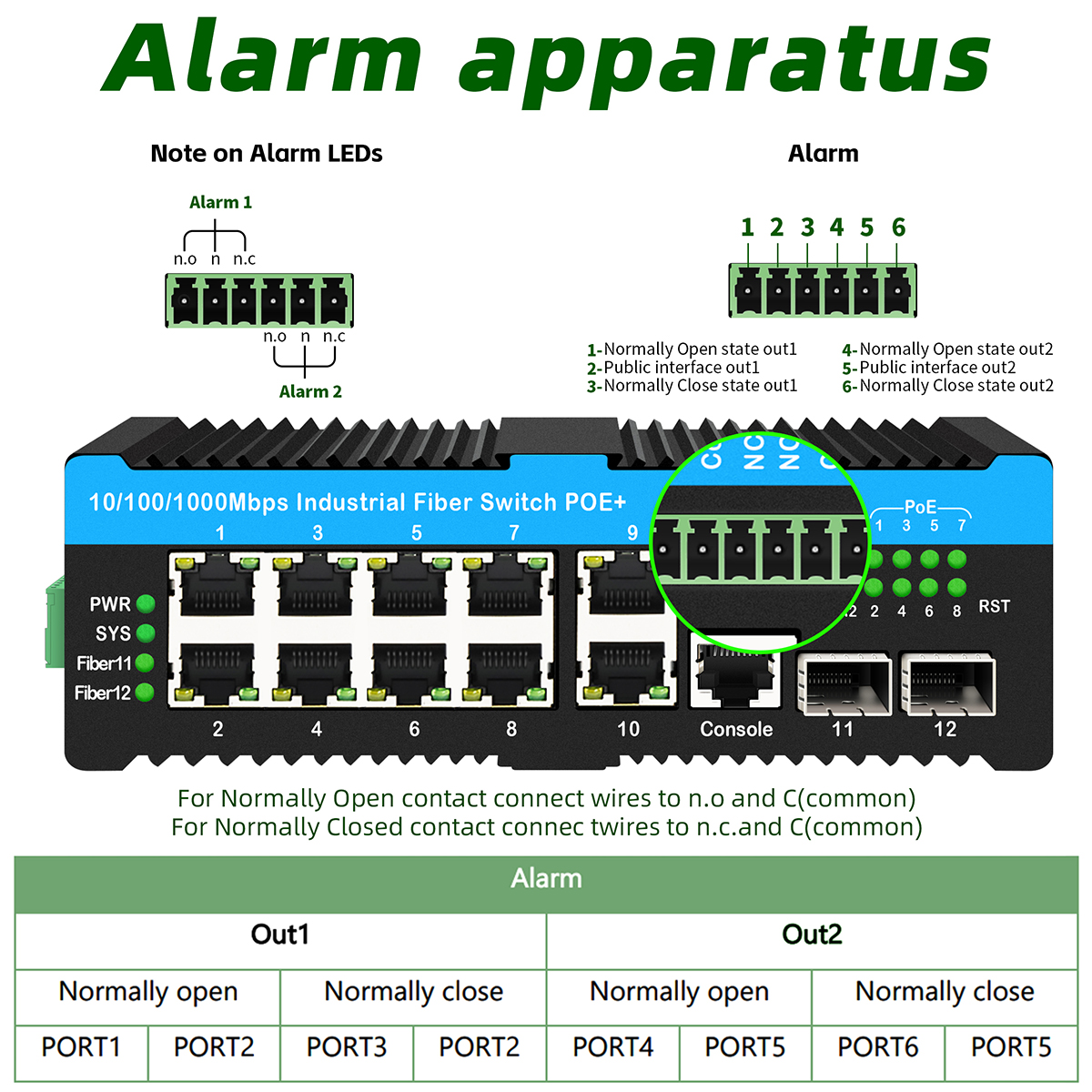
The relay alarm function transforms the switch from a network device into a control node
Industrial PoE Switch with Relay Alarm: Enabling Real-Time Response in Critical Networks
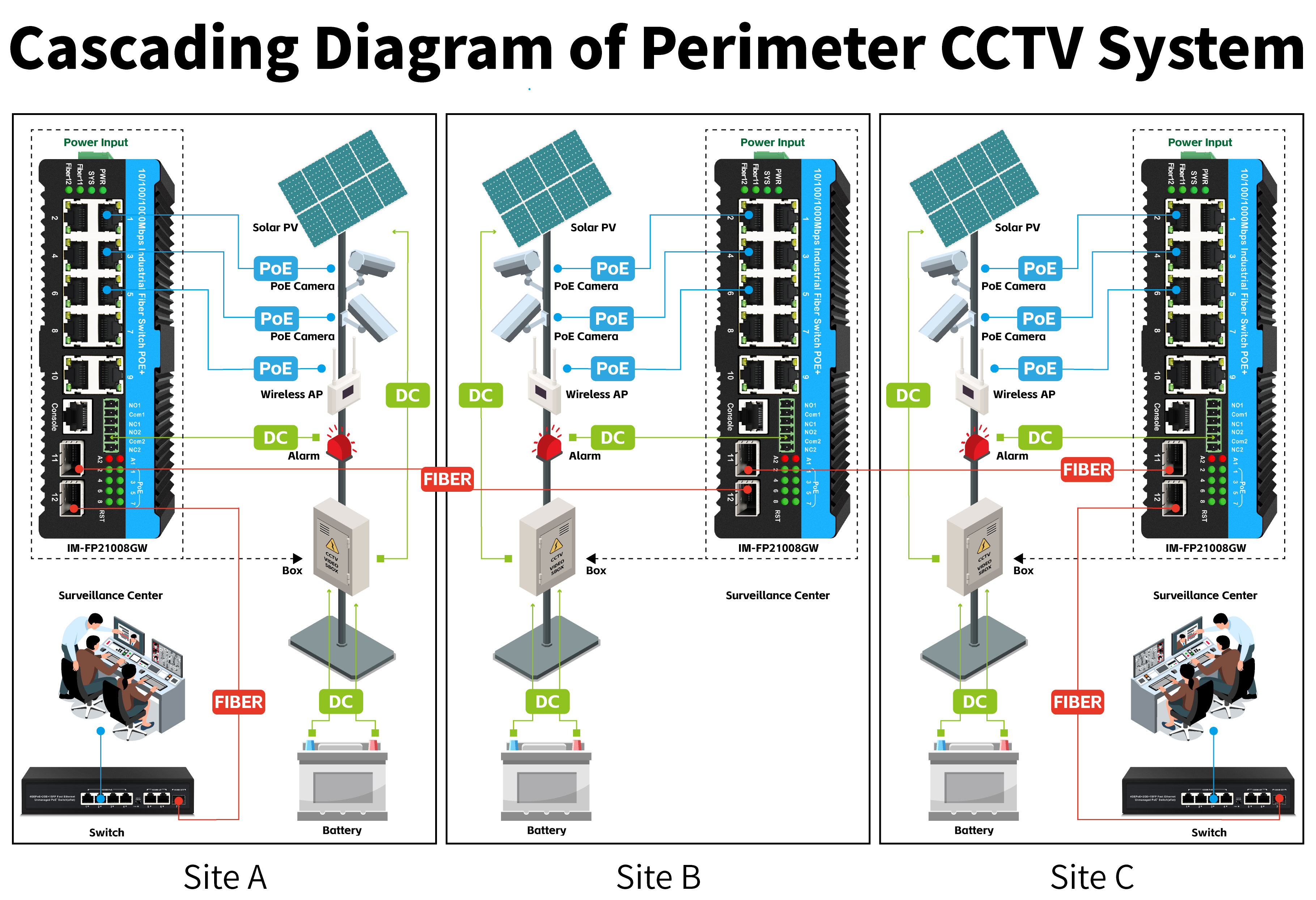
90W High Power Output: All 8 copper ports on the Olycom IM-FP21008GW comply with IEEE 802.3bt, delivering up to 90W per port.
Overcoming PTZ Power Deficiencies: Implementing 90W IEEE 802.3bt in Petrochemical Facilities
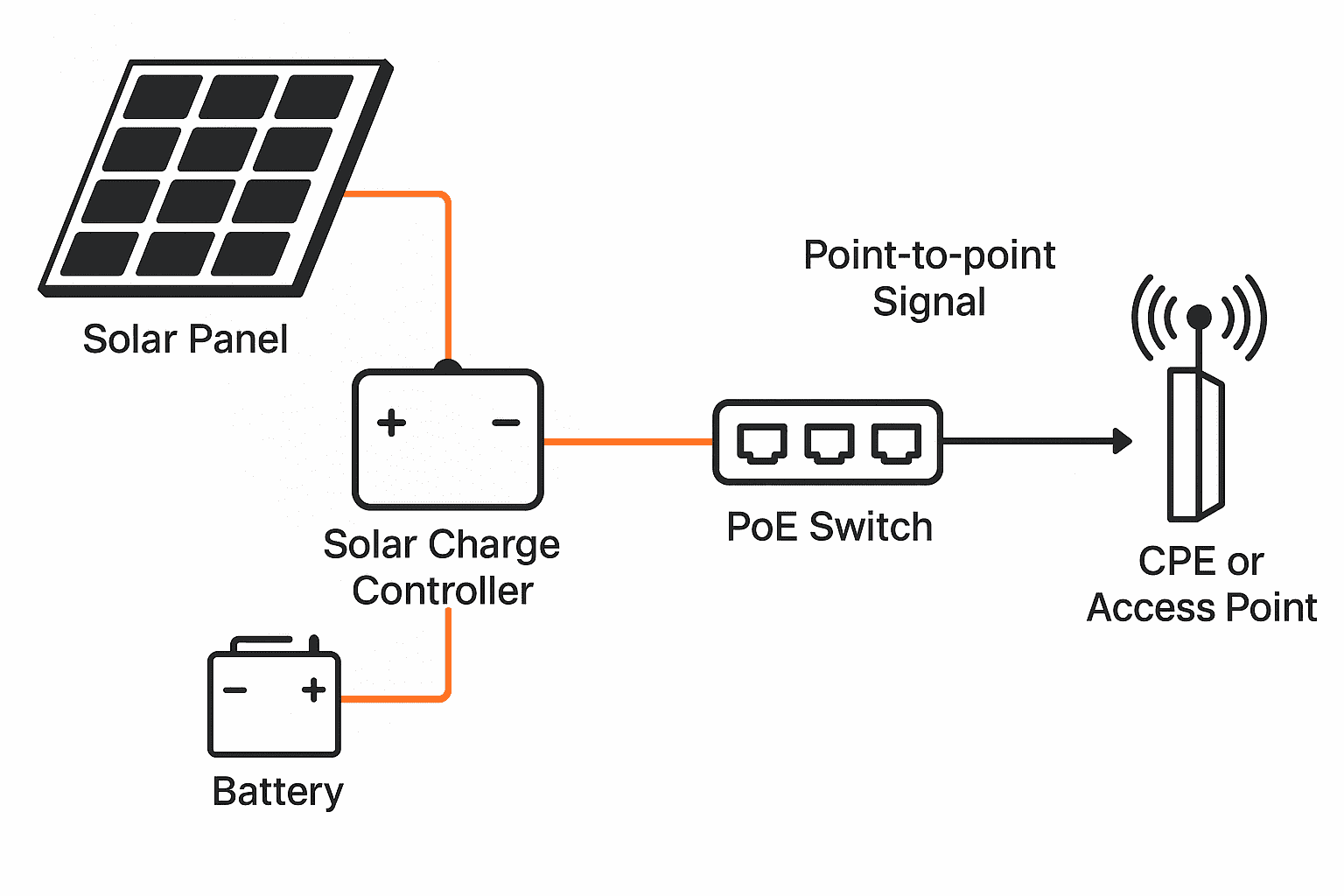
The Olycom IM-WP054BGE is a 5-port industrial gigabit PoE switch built specifically for solar-powered, off-grid, low-voltage, and harsh-environment networking. Its biggest advantage is the built-in DC voltage booster that unlocks PoE deployment where standard switches cannot function, paired with Web managed capabilities for professional remote control. This combination makes it the most practical solution for real-world off-grid and industrial projects.
How the Olycom IM-WP054BGE Solar PoE Switch Works?