Why Industrial automation will dominate our future
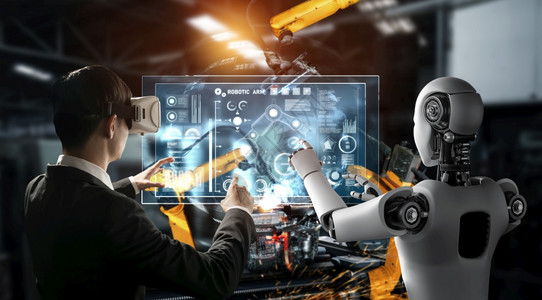
The utilization of automation technology has been experiencing an upward trend within the industrial sector for a considerable period of time. In recent years, it has become imperative for manufacturing and engineering firms to maintain a heightened level of flexibility and ingenuity. To keep up with the ever-evolving market demands, they have been enhancing their systems and methods to ensure adaptability and operational efficiency. There is now a pronounced tendency towards building autonomous systems that integrate data collection and distribution capabilities, enabling both internal and external stakeholders to supervise and optimize productivity and safety standards.
What is industrial automation and the Industrial Internet of Things?
The Internet of Things (IoT) has emerged as a popular term to encompass a range of innovative applications, including self-driving vehicles, wearable technology, and smart home systems. Nowadays, IoT is increasingly being utilized in the industrial sector, where it relies on sensors, GPS, Bluetooth and wireless communication to effectively monitor and predict maintenance issues, streamline tasks like cleaning and mechanical repair, monitor inventory levels, reduce waste, and track human activity in business facilities. Industry-leading enterprises that specialize in the manufacturing, maintenance, and transportation of physical commodities will be eager to embrace the Industrial Internet of Things (IIoT) to enhance their capabilities, optimize their operations, and revolutionize their business models.
Why is Industrial Automation and the IIoT important?
At present, it is widely recognized in the industrialized world that the future workforce is evolving drastically as a result of demographic shifts, technological advancements, and now, pandemic considerations. The prior methods of operation are no longer tenable, and the digitization of our economy necessitates education and workforce preparation to stay ahead of the curve. With the advent of intelligent technology, innovative concepts and operational techniques will emerge, resulting in more efficient and sustainable manufacturing, product delivery, maintenance, and systems management.
Increased Productivity
May I inquire as to the amount of time required by your present automation system to detect and rectify system failures or faults? Oftentimes, increasing productivity means reducing downtime, because when you’re down, you’re not producing. With a properly setup automation system, a fault or failure can trigger a notification to pop up and let your facilities manager know there’s an issue. A good automation system can also run diagnostics and troubleshoot solutions too. Solving production issues before they become problems can significantly increase productivity.
Improved Saftey
May I kindly inquire if your organization is currently implementing safety measures to ensure that your personnel are kept at a secure distance? Industrial automation systems are critical in safeguarding the well-being of employees. A significant number of tasks that used to be carried out manually by personnel required close proximity to operational equipment. Implementing automation technology not only streamlines these processes, but it also guarantees that individuals remain at a safe distance. This allows for the seamless transport of materials into conveyors and hoppers filling grinders and mixers with optimal safety conditions.
Job Creation
Criticism has been levied against the accelerated adoption of automation, with valid concerns regarding the loss of jobs. The suffering experienced by many must not be forgotten, nor can we ignore the ongoing impact on the job market. However, the rise of the Industrial Internet of Things (IIoT) also presents opportunities for the creation of new roles in analyzing performance data, managing systems, and facilitating retraining for physical laborers to become proficient in software and data management.Total job displacement doesn’t have to happen. This transition won’t be easy, nor will it be well received by everyone, but this is what comes with a dynamic and evolving economy. The burdens and benefits of the future way of working must be distributed thoughtfully and fairly as possible. Rather than denying the future of automation, we must prepare for this future, focusing our resources on retraining of the workforce, enablement of technology, the development of more sustainable products, processes, and systems, and shared prosperity.
Conclusion
Industrial automation is a cutting-edge approach that not only promotes efficiency and innovation but also plays an essential role in shaping the future of the global industry. Through the utilization of the latest technological advancements, this field demonstrates unparalleled potential to revolutionize both local and global markets while simultaneously providing exciting opportunities for future developments.
What is a VLAN and how does it work?
How to Upgrade Industrial Networks?
Related Article